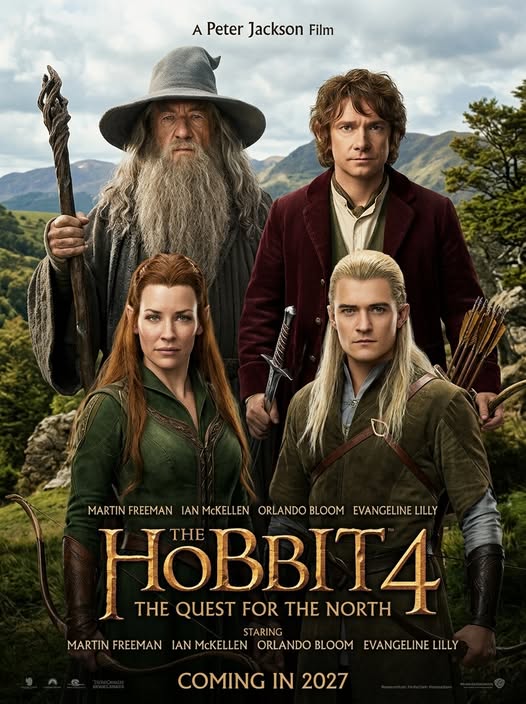
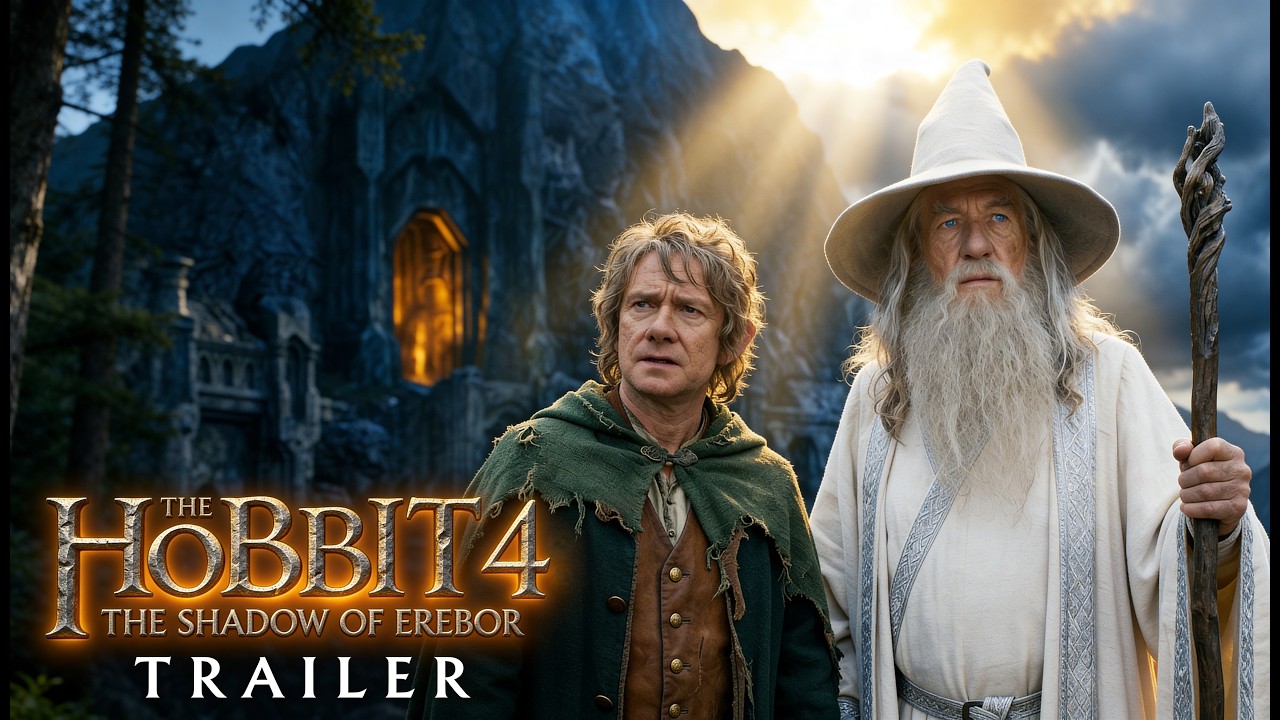
It shouldn’t have felt this alive again… but it does.
I thought Middle-earth had already told us everything it had to say. The dragons were gone, the gold reclaimed, the wars ended. But then this film quietly arrives—and something feels… off beneath the surface of Erebor.

Years after the Battle of the Five Armies, Bilbo Baggins (

This isn’t just nostalgia. It’s a slow-burning descent into something older, darker, and far more personal.

A Kingdom That Won, But Never Truly Rested
Peace was supposed to last. Erebor was reclaimed. The dwarves rebuilt. Yet beneath the stone, something is wrong—like the mountain is breathing in its sleep.
When Bilbo is pulled back into the mystery, he reunites with Gandalf (
And here’s the unsettling part… the corruption isn’t coming from outside. It’s already inside.
Why Everyone Is Suddenly Watching This Again
- The return to Erebor feels more haunting than heroic.
- The story leans heavily into emotional aftermath rather than battle glory.
- Every scene feels like it’s hiding something just out of frame.
- Bilbo is no longer the same character—and that’s the point.
There’s a strange tension running through every moment. Not loud. Not explosive. Just… persistent.
What Makes It So Addictive?
This isn’t built like a traditional fantasy sequel. It’s slower. Heavier. Almost reflective in a way that feels dangerous.
The mystery inside Erebor becomes less about what is hidden and more about what was buried on purpose.
And when Legolas (
A Spectacle Worth Watching on the Big Screen
The Strengths
- Breathtaking visual return to Middle-earth’s architecture and mountain design
- Deep emotional focus on Bilbo’s internal struggle
- A mystery-driven plot that slowly tightens like a trap
- Powerful atmosphere that leans into silence and tension
The Weaknesses
- Pacing may feel deliberately slow for action-heavy fans
- Some story threads feel intentionally incomplete
- Less traditional battle spectacle than expected
The Scene That Stole the Show
There’s a moment deep inside the abandoned halls of Erebor where the light fades completely. No music. No dialogue. Just the sound of stone… shifting.
Bilbo stops walking.
And then… something walks back.
It’s the kind of scene that doesn’t scream. It whispers—and somehow that makes it worse.
What Viewers Are Saying
- James Carter: “I didn’t expect to feel emotional about Erebor again… but here I am.”
- Sophia Miller: “This is not the adventure I remembered. It’s deeper, darker, better.”
- Daniel Brooks: “That silence scene in the mountain? I actually held my breath.”
- Emily Watson: “Bilbo’s return felt personal. Like coming back to a nightmare you survived once.”
- Ryan Mitchell: “Middle-earth has never felt this haunted before.”
- Olivia Grant: “I thought it would be nostalgia bait. It wasn’t. It was something else.”
- Lucas Bennett: “Gandalf’s presence alone changes the entire tone of the film.”
- Chloe Adams: “The mountain feels like a character itself. And it’s not friendly.”
Final Verdict
This is not a victory lap for Middle-earth. It’s a reckoning.
The film doesn’t try to outdo past battles. Instead, it asks a chilling question: what happens when the place you fought to save never truly stops fighting back?
Beautiful. Unsettling. And surprisingly emotional.
Some shadows don’t leave Erebor… they learn to live inside it.
Frequently Asked Questions
- Is The Hobbit 4 connected to The Lord of the Rings? Yes, it continues within the same Middle-earth timeline, focusing on post-war consequences.
- Is this more action or story-driven? It leans heavily into story, mystery, and atmosphere over large-scale battles.
- Do I need to watch previous Hobbit films? Yes, especially The Battle of the Five Armies for full context.
- Is it suitable for casual fantasy viewers? Yes, but expect a slower, more emotional pace.
- Does it have a happy ending? It’s emotionally satisfying, but not traditionally “happy.”