A Discovery That Makes the Distant Past Feel Alive
I thought ancient archaeology had already revealed most of humanity’s early story… until the evidence from Direkli Cave showed just how much we still don’t know.

This is not just another excavation story. It is a rare glimpse into a forgotten world where different human species shared landscapes, resources, and survival strategies.

Quick Overview: A Window Into the Paleolithic Era
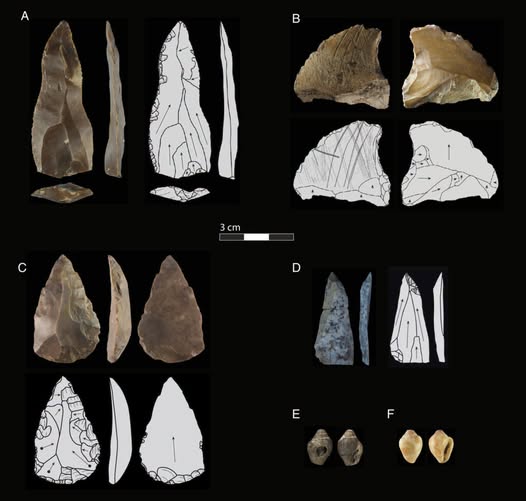
Hidden within the Anatolian corridor, this archaeological discovery provides researchers with remarkable evidence about the lives of Neanderthals and Homo sapiens during the Paleolithic period.

The findings reveal overlapping behaviors, technological traditions, and resource extraction methods that challenge simple ideas about how early humans lived and interacted.
Why This Discovery Hits So Hard
A Rare Look at Human Survival Strategies
What makes this discovery fascinating is not just the tools or artifacts themselves. It is the story behind them.
Every piece of evidence raises bigger questions: How did different human groups adapt? Did they compete, coexist, or influence each other in ways we are only beginning to understand?
But here’s what many people miss: archaeology is not only about finding objects. It is about rebuilding moments that disappeared thousands of years ago.
The Story Hidden Beneath the Layers
The stratigraphical evidence creates a powerful timeline of human activity. Layer by layer, researchers can trace changing behaviors, environmental challenges, and survival decisions.
And then… everything changes. A single discovery can transform how we view an entire chapter of human history.
A Spectacle Worth Exploring Like a Cinematic Experience
If history were a movie, this would be the kind of story that slowly reveals its biggest secrets. The tension comes from uncertainty, the excitement comes from discovery, and the emotional impact comes from realizing these ancient people were not so different from us.
What Makes It So Addictive?
- Unforgettable mystery: It explores questions about human origins that still have no simple answers.
- Real historical drama: The evidence creates a picture of survival, adaptation, and change.
- Scientific importance: The discovery adds valuable information to Paleolithic archaeology.
- Human connection: It reminds us that curiosity and innovation have always been part of our species.
Weaknesses
- The complexity of archaeological research may feel slow for audiences looking for fast-paced storytelling.
- Many discoveries still require further study, meaning some questions remain unanswered.
The Moments That Stand Out
The most powerful moments come from imagining ancient humans creating tools, gathering resources, and navigating a world completely different from today.
These discoveries turn cold artifacts into personal stories. A small object becomes evidence of a decision someone made thousands of years ago.
What Viewers Are Saying
- Daniel Brooks: “A fascinating journey into the origins of humanity. It makes ancient history feel incredibly close.”
- Emily Carter: “I never expected archaeology to be this emotional and exciting.”
- Michael Hayes: “The discoveries raise questions that stay in your mind long after learning about them.”
- Sophia Reed: “A powerful reminder that human history is much more complicated than we think.”
- James Parker: “The evidence from this site is absolutely incredible.”
- Olivia Turner: “It feels like uncovering a hidden chapter of our own story.”
Final Verdict
This discovery is more than a collection of ancient artifacts. It is a bridge connecting modern humans with the people who came before us.
For anyone fascinated by human evolution, archaeology, or the mysteries of the past, this is the kind of discovery that sparks curiosity and refuses to be forgotten.
Frequently Asked Questions
Why is this archaeological discovery important?
It provides valuable evidence about the behaviors and survival strategies of Neanderthals and Homo sapiens during the Paleolithic period.
What does Direkli Cave reveal about early humans?
The findings reveal information about tools, resource use, and possible interactions between different human groups.
Did Neanderthals and Homo sapiens live at the same time?
Yes, both species existed during overlapping periods, and discoveries like this help researchers understand their relationships.
Why do archaeologists study cave sites?
Caves often preserve layers of human activity, offering rare evidence about ancient lifestyles and environmental changes.